

Daniel Freiberger
Key Takeaways
- The WKO Future Journey to London shows how the market is shifting away from AI models towards AI Agents and integrated systems.
- Agentic AI for enterprises creates real value when integration, governance and process understanding work together.
- AI-first startups, new business models and rapid implementation make clear why Agentic AI in enterprises and AI in business processes are increasingly becoming a competitive factor.
Agentic AI is currently one of the most exciting developments in the AI landscape. That is exactly why we were part of the WKO Future Journey to London. The focus was on current trends, concrete use cases and the question of how AI is being used productively in enterprises. The goal of the trip was not just to talk about new models and tools, but to understand how AI is already being integrated into real processes, data flows and systems today.
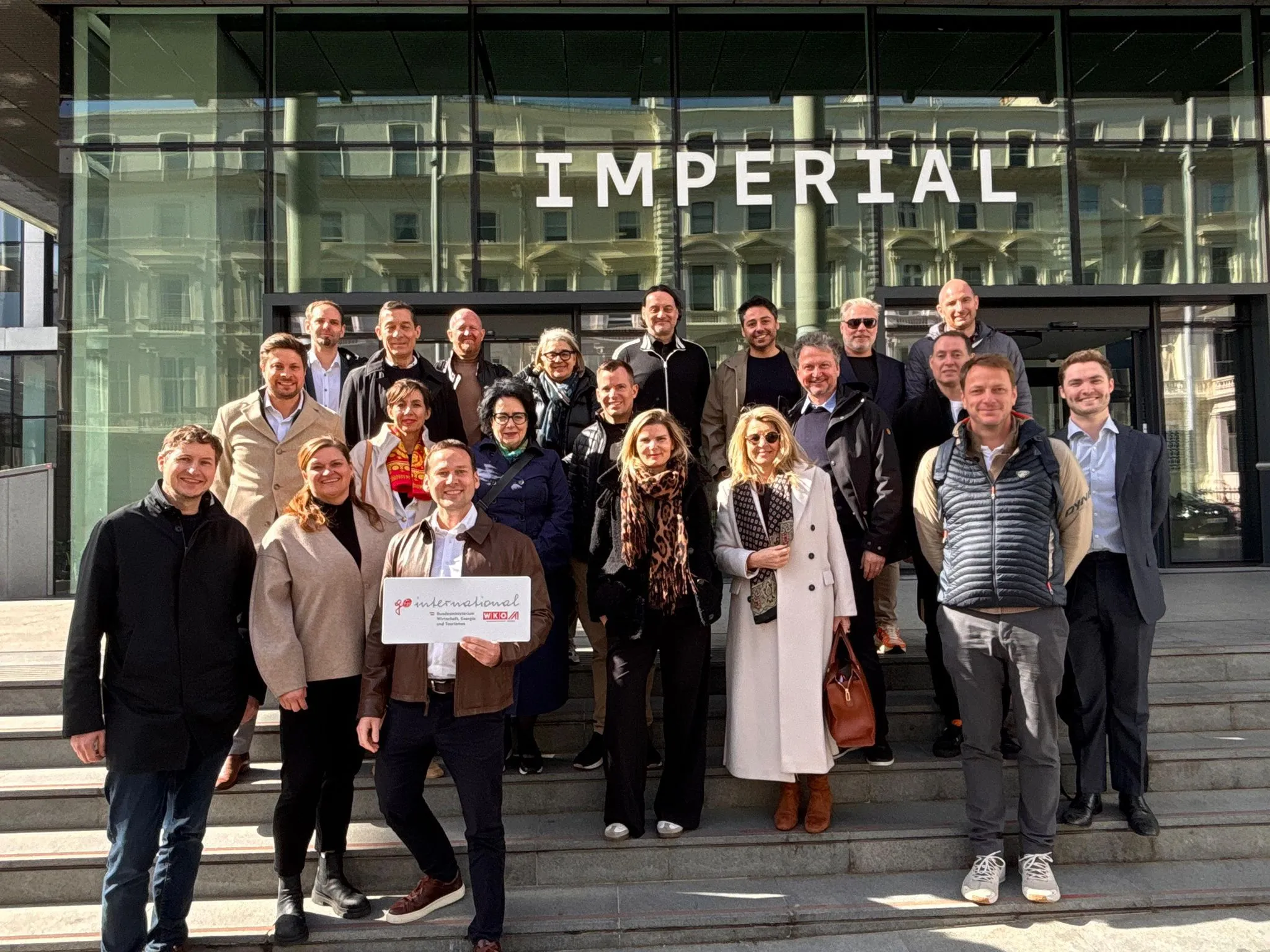
Together with a delegation from the Austrian Federal Economic Chamber and representatives from companies such as AVL, TTTech, Gebrüder Weiss, PwC and ICMPD, it quickly became clear: the decisive question is no longer just which model is being used, but whether AI is embedded in processes in a way that produces real outcomes.
One observation ran through many conversations, sessions and company visits: the focus is shifting.
Models — Agents — Outcomes
Models remain the foundation. Tools are becoming more accessible and in many areas interchangeable. What matters are the outcomes. This is what makes Agentic AI exciting: not in individual functions, but in the ability to coordinate multiple steps towards a goal and be integrated into operational workflows.
For companies, this also changes the evaluation criteria. The question is no longer just whether a model delivers good answers. The more important question is whether an AI system can meaningfully support existing processes, prepare decisions or reliably execute operational steps.
Systems Instead of Tools
A particularly clear pattern from London was: the real value does not come from the individual tool, but from the system behind it.
A functioning agent does not consist of just a model. It needs multiple components, clearly defined roles, orchestrated workflows and above all deep integration into the existing IT and process landscape. That is precisely why it is not enough to test new AI tools or pilot individual functions. Productive value only emerges where systems work together.
This also shifts the effort in projects. The challenge is not in selecting a model or formulating a prompt. The greater leverage lies in:
- Understanding processes clearly
- Making data usable
- Building interfaces
- Connecting systems
The majority of the work therefore happens outside the model.
Why Standard Solutions Reach Their Limits
Standard solutions can be a sensible starting point. They help to map simple tasks, implement initial automations and make potential visible.
However, their limits quickly become apparent where multiple systems are involved, decisions depend on context or processes are not standardised. The closer a company gets to real value creation and operational relevance, the less generic approaches can carry alone.
Standard solutions can therefore be a starting point, but rarely the target architecture. And that is exactly where the real value of Agentic AI begins: in the ability to effectively support complex, company-specific workflows.
Why Relevant Use Cases Are Almost Never Generic
Another recurring impression was that the most valuable use cases are almost never generic. At an abstract level, topics like customer service, sales, IT support or document processing may seem similar. In practice, however, they differ significantly.
This is due to:
- Specific processes
- Available data
- Internal rules and logic
- Established system landscapes
Precisely because Agentic AI works along concrete goals, this difference becomes immediately relevant. The truly valuable use cases are therefore almost always individual.
The UK Thinks in Terms of Production
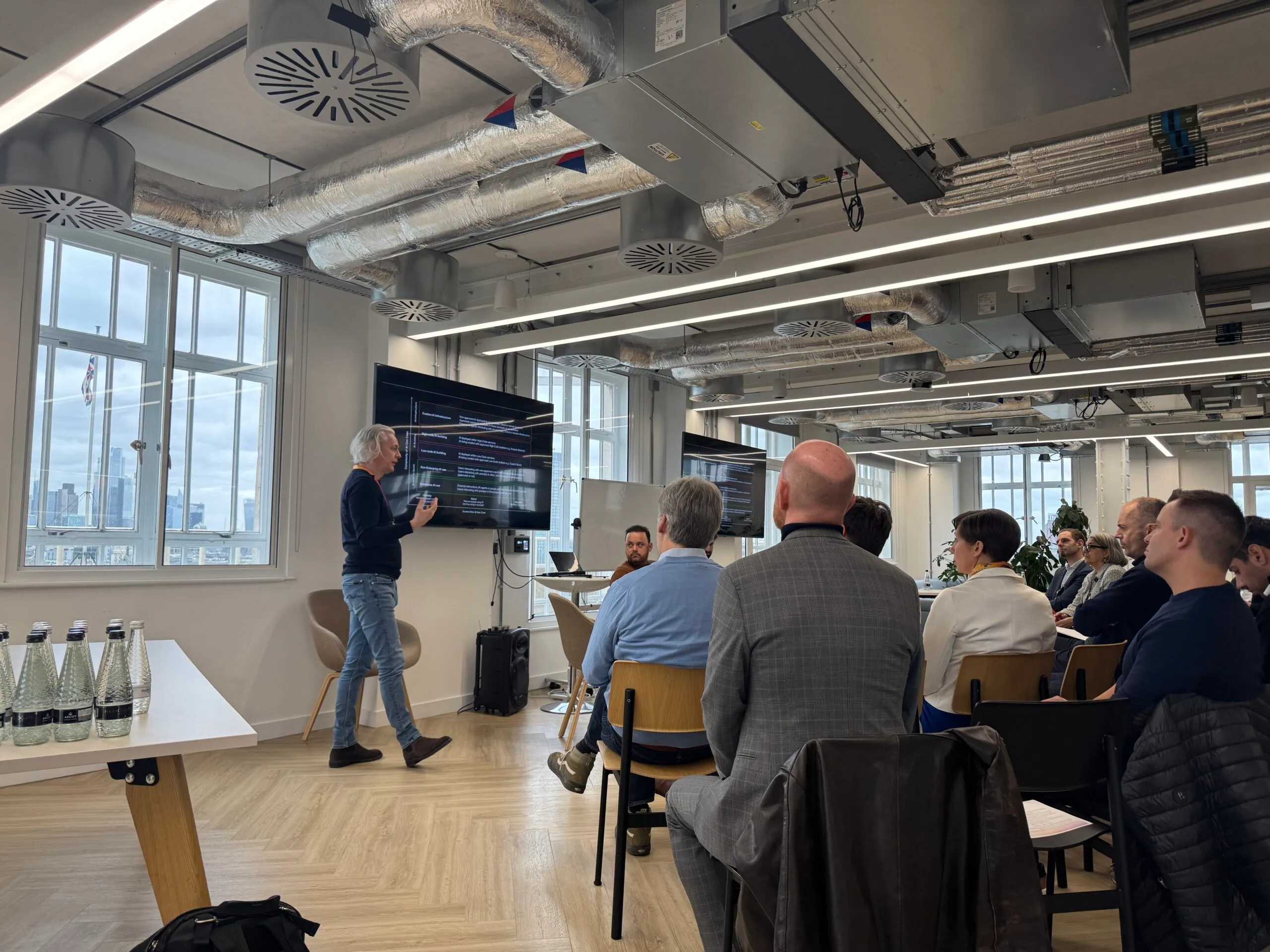
What was particularly striking in London was the consistency with which AI is being thought of in terms of productive application. AI is not just being discussed there, but implemented at high speed. AI-first startups emerge quickly, new business models enter the market in short time and existing industries are being actively disrupted.
AI is deliberately used to:
- Rethink processes
- Change markets
- Build competitive advantages
This is exactly what makes the current development so relevant. Anyone who views Agentic AI merely as a new tool underestimates its strategic impact.
Governance Is Part of the Solution
By comparison, a different dynamic often emerges in German-speaking countries. Regulation is quickly used as an argument for restraint. On site, however, it became clear: implementation is happening even in regulated environments.
Governance is not the blocker, but part of the solution.
The real question is less: Are we allowed to do this? But rather: How do we implement it sensibly?
This perspective is important. It is not the mere use of AI that becomes a competitive factor, but the ability to integrate it in a controlled, meaningful way and with sufficient speed into real business processes.
What Companies Should Do Now
The most sensible entry into Agentic AI starts not with the tool, but with the process. Particularly relevant are workflows where friction currently exists, for example:
- Recurring processes with clear patterns
- Media breaks between applications
- Manual coordination between teams or systems
- Decisions based on data from multiple sources
In exactly such environments, agentic workflows demonstrate their practical value, because they do not just provide information but can structure operational steps along a clear goal.
A sensible entry into Agentic AI typically follows this sequence:
- Identify processes with friction
- Check where data from multiple sources, manual handovers or recurring decisions play a role
- Analyse relevant data, systems, rules and approvals
- Assess where integration creates the greatest operational value
- Only then decide on agent architecture, platform and model
This sequence is strategically important: those who start with the process build robust use cases. Those who start with the tool often only produce better demos.
Agentic AI Is Not a Product, But an Integrated System
Perhaps the most important insight from London is: the real value of Agentic AI does not come from the AI alone, but from its embedding in real processes, data and systems.
The most exciting development is not just that systems can generate content, but that they increasingly understand, prepare decisions and act along processes. That is precisely why it is not enough to view Agentic AI as a new product or tool. It only works sustainably where integration, governance and process understanding come together.
And perhaps even more importantly: the greatest risk for companies currently lies not in doing something wrong, but in waiting too long.
More on "Artificial Intelligence"

Artificial Intelligence
AI for Property Management: PROPbase Embraces Intelligent Process Automation
Together with Evolit, PROPbase has extended its property management platform with an AI-powered claim agent that automatically analyses tenant requests, structures them and prepares them for processing in the ticketing system.

Artificial Intelligence
Fear Me Not: AI and the Future of Human-Centered Design
Nataliia Avdosieva, UX designer at Evolit, reflects on seven fears AI sparks within the profession, and the opportunities they reveal for human-centered design.

Artificial Intelligence
What Is Agentic AI? Why Real Value Only Emerges Through Individual Integration
Agentic AI describes AI systems that pursue goals, plan multiple steps and work towards outcomes. Real value only emerges where AI is individually integrated into processes, data, and systems.